MARINA DEL ESTE (MACRO + SHORE DIVING)
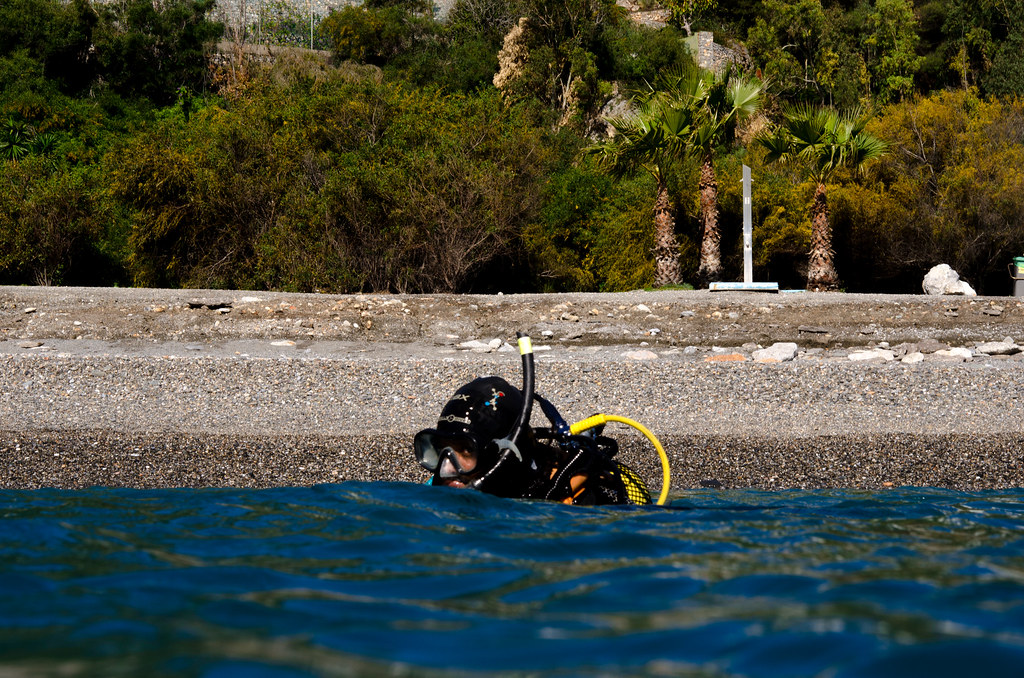
Marina del Este, located near La Herradura on the Costa Tropical, is one of the most popular shore diving locations in southern Spain. Divers travel from across Spain to explore the reefs, walls and underwater rock formations that make this area one of the most interesting dive sites along the Mediterranean coast.
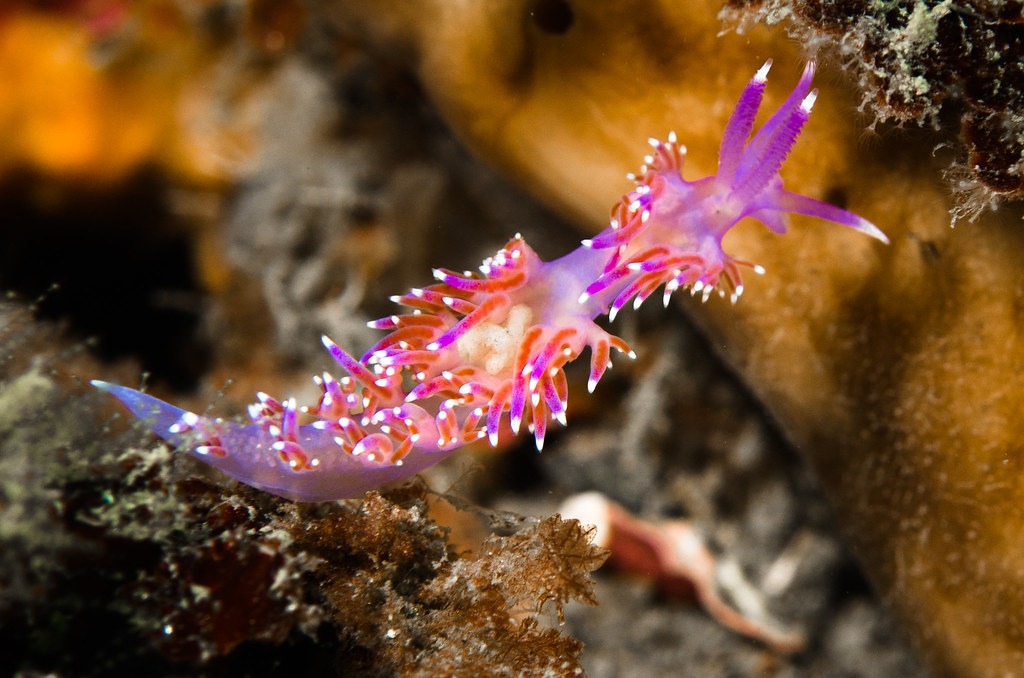
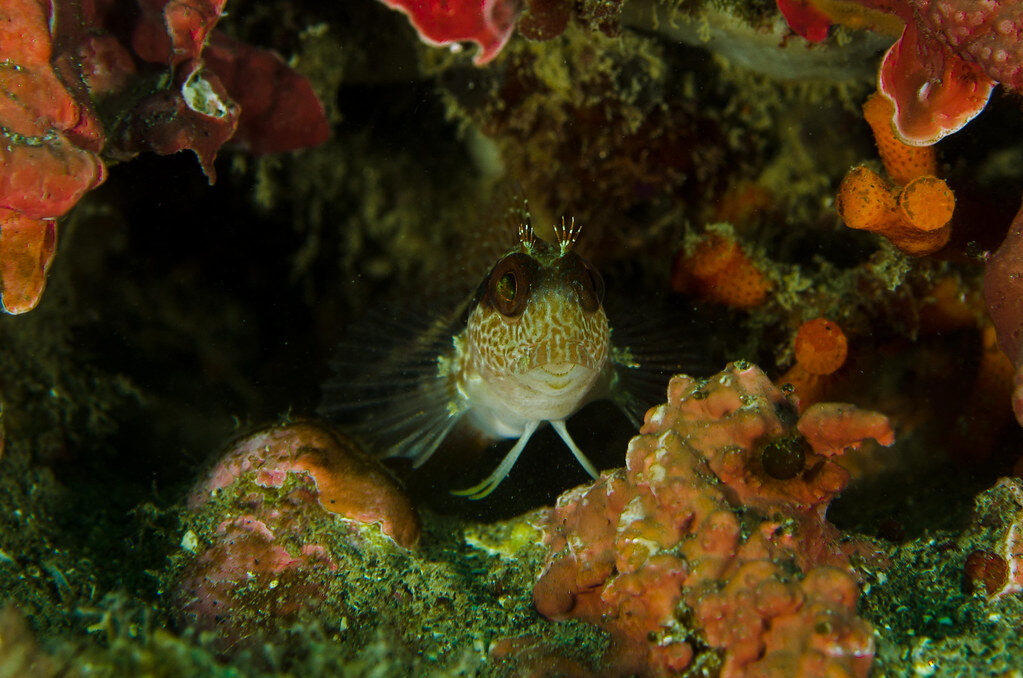
Situated within the clear waters near the Cerro Gordo natural area, the site offers excellent marine biodiversity and varied underwater terrain. The combination of rocky reefs, sandy seabed and dramatic walls creates ideal habitats for Mediterranean marine life including octopus, nudibranchs, conger eels, moray eels, groupers and barracuda.
From the shore there are five different dive routes, each offering a different underwater landscape. It can take several dives to fully explore everything that scuba diving at Marina del Este has to offer.
As a result, it is suitable for all levels.
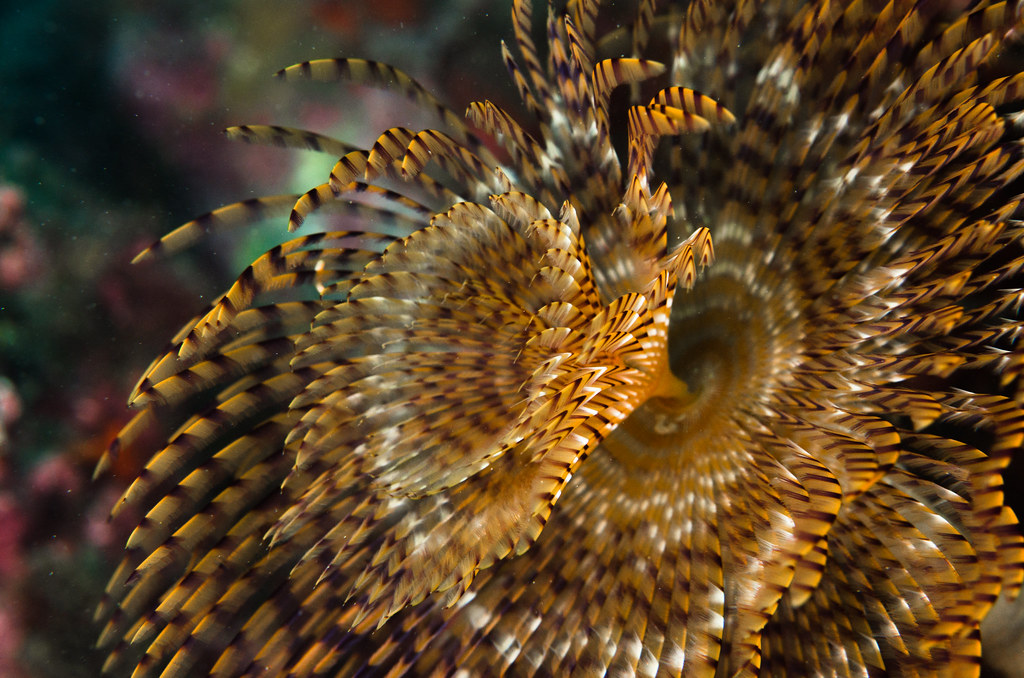
This site is especially known for macro life. In addition, divers can find nudibranchs, octopus and camouflaged species.
👉 It is ideal for:
- Underwater photography
- Night diving
- Skill development
👉 Continue your training with the
Advanced Open Water Course
1. Pared del Puerto (Harbour Wall) – 18 Mtrs
Pared del Puerto, or Harbour Wall, is a classic shore dive that combines natural reef with the harbour breakwater. As a result, it offers a varied and interesting dive from the start.
The dive begins along a rocky outcrop. Here, divers can search among the rocks for octopus, conger eels and colourful nudibranchs. From this point, the dive continues toward the artificial breakwater that forms part of the marina wall. This area is often visited by groupers and barracuda.
The seabed gently slopes to around 17 metres. It then gradually rises again toward the harbour wall. On the return, the dive is usually kept at around 10 metres, allowing more time to explore the shallower reef formations.
Overall, this is an easy and scenic dive. In addition, it is one of the best locations for night diving in Marina del Este.
2. Ensenada de los Berengueles (Berengueles Cove Reef) – 14 Mtrs
The dive at Berengueles Cove Reef begins with a shallow shore entry. From here, it descends gradually across a field of boulders toward the main reef.
The reef sits on a sandy seabed and rises 6–8 metres above the bottom. As a result, it creates cracks, swim-throughs and overhangs that provide shelter for marine life. Divers frequently see nudibranchs, octopus and brittle starfish hiding beneath the rocks.
Because of the size and complexity of the reef, it often takes several dives to fully explore the area. In addition, like the Harbour Wall, this site is also excellent for night diving.
3. Arrecife Exterior (Outer Reef) – 22 / 25 Mtrs
The Outer Reef lies along a natural contour line. In effect, it separates the shallower harbour reef from the deeper waters around Punta de la Mona.
After a short surface swim of around 150 metres, the dive descends onto the Berengueles Reef. From there, it continues toward the outer ridge.
The reef forms a long rock ridge running parallel to the shore. On one side, depths are around 14 metres, while the other side drops to approximately 22 metres.
The dive follows a circular route along the deeper side. Then, it gradually ascends back toward the entry point. Along the way, divers may encounter conger eels, moray eels, octopus and, occasionally, sunfish (Mola Mola) in deeper water.
Just beyond the reef, three sunken cars rest at around 25 metres. Over time, these have formed a small artificial reef and can be explored if gas and time allow.
Therefore, this dive is ideal for divers using Enriched Air Nitrox.
4. Virgen Maria – 18 Mtrs
At the western end of the Berengueles reef lies a small statue of the Virgen Maria. It rests at around 12 metres depth inside a natural rock alcove.
After a surface swim from the far end of the beach, the dive descends along the rock face. Soon after, the statue appears within a small recess.
From here, the dive continues into deeper water along a dramatic rock wall. As the dive progresses, the wall rises above while dropping vertically to the seabed below.
The wall is covered in colourful marine life, including soft corals, sea squirts and delicate sea fans. As a result, it is a visually impressive dive.
Divers often encounter large groupers, conger eels and nudibranchs. Occasionally, sunfish may also be seen drifting past.
We keep enough gas in reserve for a full underwater return. On the way back, the route crosses Punta Shallow and the start of Berengueles Cove Reef. Finally, the dive usually ends close to the shore near the beach van.
5. Las Hondondas (The Gullies) – 30/40 Mtrs
At the southern end of Berengueles Cove, the cliffs continue below the surface. As they descend, they form a series of gullies that extend toward deeper water.
The dive begins at Virgen Maria. From there, we follow the ridge to around 18 metres before crossing over and descending into the gullies.
The gullies extend beyond 40 metres. However, dives are typically kept above 30 metres to extend no-stop limits. As a result, this allows time to explore more than one gully during the dive.
These formations offer protection from strong currents along Punta de la Mona. Because of this, they provide a good opportunity to observe rare soft corals.
Divers may encounter sunfish, large groupers, conger eels and moray eels. In addition, the rocks are often covered in lightbulb sea squirts.
Alternatively, the dive can continue deeper along the ridge. In this case, it follows the seabed toward Punta de la Mona, where the headland meets the sea floor at around 40 metres.
Overall, this is an excellent deep dive and is well suited to Enriched Air Nitrox.
Diving in Marina del Este, located beside La Herradura, offers some of the most varied and accessible dive sites in southern Spain.
The reefs, walls and gullies support a wide range of Mediterranean marine life. As a result, divers can encounter conger eels, moray eels, octopus and colourful nudibranchs.
With multiple dive routes and varied underwater terrain, the area offers something for every level. In addition, shore access makes diving here both convenient and enjoyable.
Wahoo Divers Malaga regularly organises dives at this location. Therefore, divers can experience some of the best shore diving on the Costa del Sol.